U.S. Mailing Address vs. Residential Address: Banks Care About the Difference
A mailbox solves mail delivery, not every compliance requirement.
✳ GOODFINDS EDITORIAL ·Practical guide · Reviewed November 2026
GOODFINDS • THE ELSEWHERE EDITION
01 / THE SITUATION
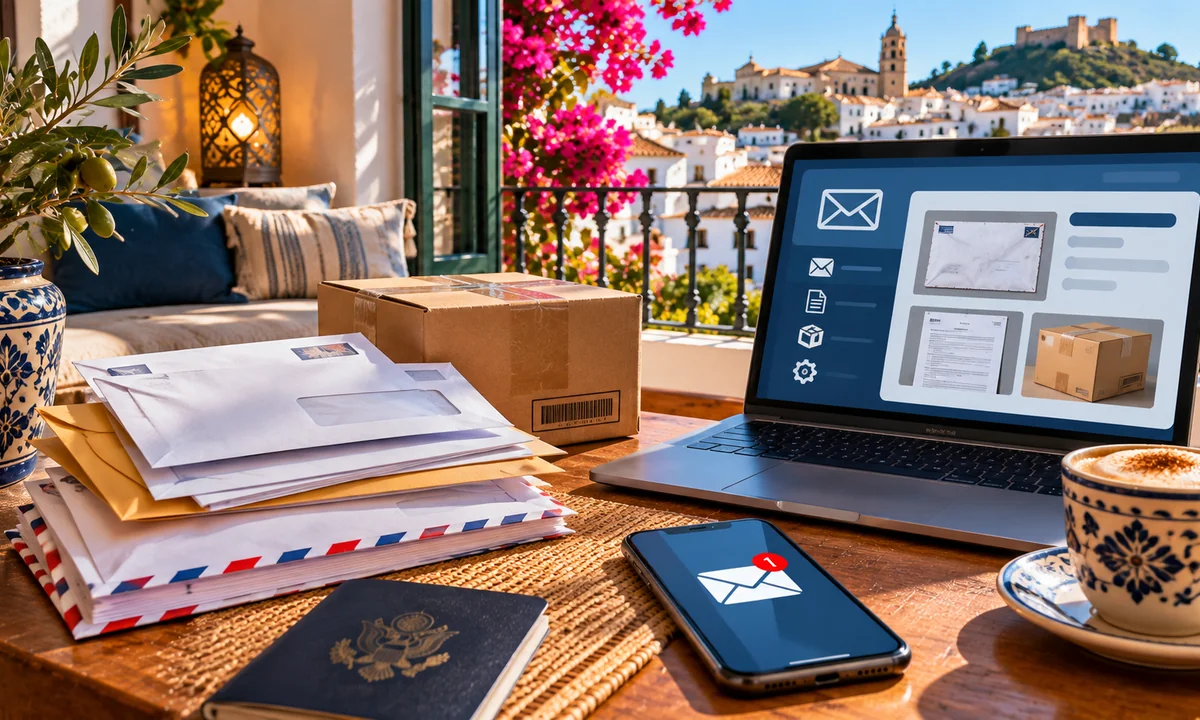
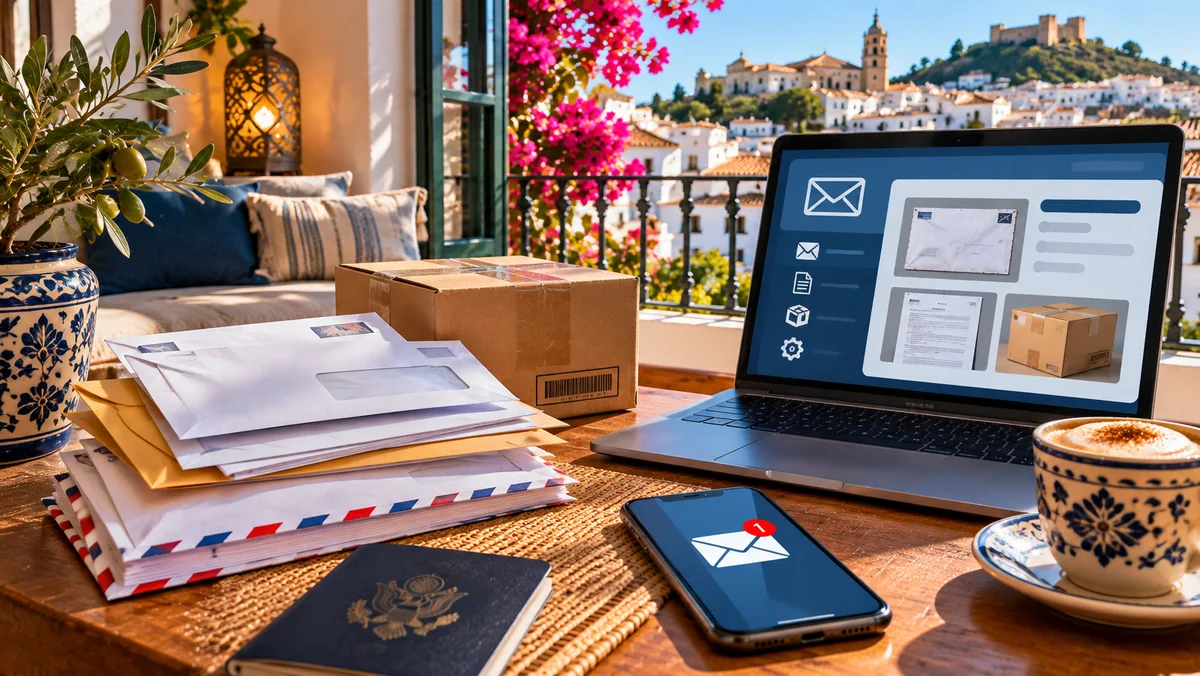
A virtual mailbox can scan letters and forward replacement cards, which is incredibly useful abroad. However, banks may require a genuine residential address for customer identification and separately permit a mailing address for correspondence. These fields should not be treated as interchangeable.
✳ THE IDEA TO REMEMBERA mailbox solves mail delivery, not every compliance requirement.
02 / A BETTER WAY TO HANDLE IT
The practical approach
Ask the bank directly whether it supports foreign residence and a distinct U.S. mailing address. Update your actual residential information when required, then set the permitted mailing address. Confirm international card-shipping policies and delivery signatures before requesting a replacement.
03 / THE EXPENSIVE TRAP
What to watch for
A CMRA address, UPS Store box, registered-agent address or relative’s house is not automatically a valid residential address for bank identification. Misrepresenting residence can cause account restrictions or closure.
04 / YOUR NEXT MOVE
Do this before you move on
Create a private table showing the residential and mailing addresses your bank has actually accepted, along with its confirmation.
✳ FIELD NOTEIf an offer, contract or rule sounds too simple, save the original document and check the current written conditions.
✳ MORE DETAIL / STEP BY STEP
Go deeper: details worth checking
Put the transaction in a single timeline before you sign or send money: when funds become available, where they are held, what must be paid, and which party must confirm receipt. Ask for the full cost in writing, not just the attractive headline monthly payment or exchange rate. For larger amounts, document the source and purpose before sending them. Keep an independent emergency reserve so a delayed refund, appraisal, wire or approval does not force a rushed decision.
An extra practical step
Ask each financial institution whether it allows separate residential and correspondence addresses, and what overseas documentation it accepts.
A costly pitfall to avoid
A virtual mailbox may be fine for correspondence but not identity verification. Never describe it as a residence if it is not one.
Three questions to settle first
What is the all-in amount?
What can still delay completion?
What evidence will the bank require?
Write down the answers, the name of the person or office who confirmed them, and the date. Save PDFs or screenshots where the conditions could change. That small habit makes it much easier to challenge an error, compare alternatives, or continue the process weeks later.
Verify the current rules
Official starting point:Banco de España · Customer guidance. Rules and availability can change; always check the page relevant to your location and circumstances.
This is an educational overview, not individualized legal, tax, medical or financial advice. Verify current procedures and provider terms before acting.
Our guides stay free. If you found this article useful, you can buy us a coffee to support future travel tips and moving-abroad resources. Completely optional.
Personal creator support · Not a tax-deductible charitable donation.

What’s your experience?
Got a useful correction, a local tip, or your own story? Share it with the community.
Reader notes
Comments are reviewed before appearing publicly. Please keep it kind, relevant, and free of personal information.
Leave a comment