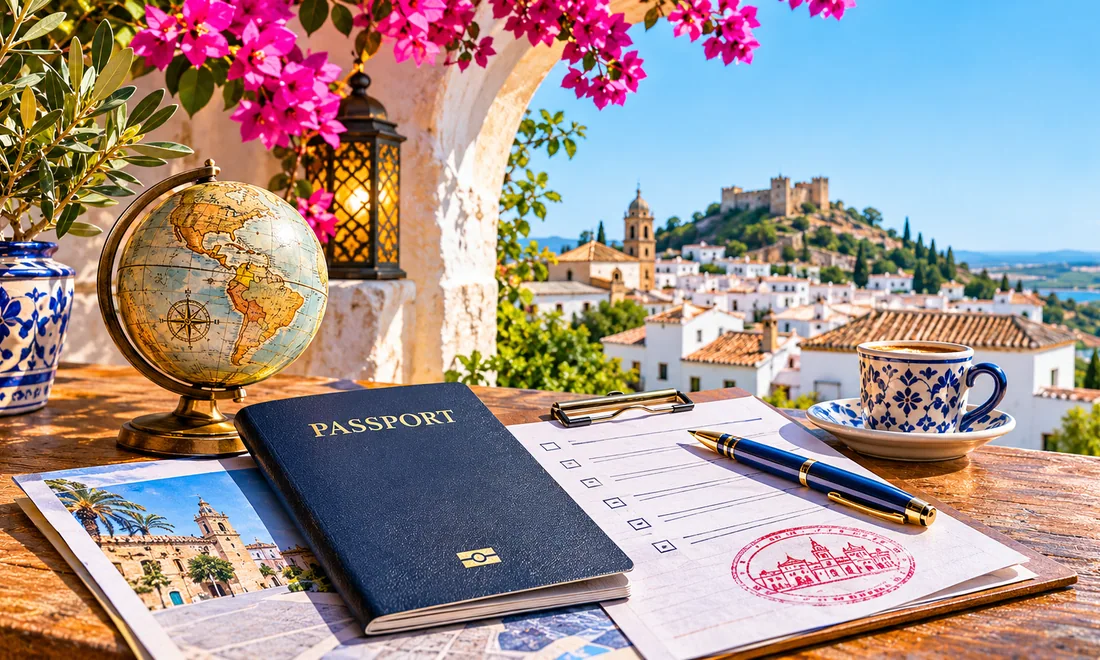
Naturalized U.S. citizens may need records from their country of birth for Spanish nationality or residence.
The three-country paperwork puzzle
Imagine someone born in Santiago de Cuba, naturalized in the U.S., now living in Spain. Their U.S. passport establishes present U.S. citizenship, but not every birth or family fact. The Cuban civil registry may still issue the necessary birth certificate, a U.S. state could have issued the marriage certificate, and Spain may demand each foreign public document be authenticated under the relevant origin-country route.
Nationality, birthplace and consular district are separate
Nationality answers which passport you hold. Birthplace answers where your original civil record was created. Your legal residence generally affects which Spanish consulate handles an overseas process. A person living in Florida should not assume a U.S. birthplace is required for a Spanish consular request, nor should someone living in Spain assume a consulate abroad is the right filing office.
Build a country-by-country dossier
For each document, record who issued it, when, whether it is the long-form/literal certificate, whether legalization or apostille applies and whether a sworn translation is necessary. A U.S. state marriage certificate may need that state’s apostille; a U.S. federal FBI check uses a different federal channel; and Cuban records can follow MINREX legalization. Do not send every document to the same office.
What matters for children
Children may have one passport, two nationalities and a birth certificate issued in a third country. The important issues are parentage, custody, whether a parent was Spanish at birth or became Spanish later, and the child’s actual legal status. Never assume a child automatically became Spanish simply because a parent later naturalized.
A U.S. passport does not substitute for a Cuban or Venezuelan birth certificate where Spain asks for the original civil record.
What to do next, in order
- 01
List each document and its country of issue.
- 02
Request long-form/literal certificates when required.
- 03
Authenticate each document through its own jurisdiction.
- 04
Confirm your Spanish consular jurisdiction using legal residence.
- 05
Keep color scans and originals in separate folders.
Where do I apostille a document?
Usually through the competent authority in the issuing country—not simply where you currently live.
Does having a U.S. passport change LMD eligibility?
Eligibility turns on legal ancestry and the applicable law, not merely U.S. naturalization.
Information current to November 12, 2026. Government procedures can change, and individual cases vary. This guide is general education, not personalized legal advice.


What’s your experience?
Got a useful correction, a local tip, or your own story? Share it with the community.
Reader notes
Comments are reviewed before appearing publicly. Please keep it kind, relevant, and free of personal information.
Leave a comment